
Microwave Skin Tightening in Korea: What It Costs, Who It’s For, and Real Results
Loose skin and fine lines can sneak up on you, but microwave skin tightening Korea offers a non-surgical way to firm things back up without downtime. This treatment uses targeted microwave energy to heat deep skin layers, instantly tightening collagen while triggering your body’s natural repair for gradual lifting. The best part? A single session takes under an hour, with zero needles or scars, and you can just walk out and resume your day. For a quick glow-up before an event, book a couple of sessions spaced two weeks apart to let results build smoothly.
What Exactly Is Microwave Skin Tightening and Why Is Korea the Go-To Destination?
Microwave skin tightening is a non-invasive procedure that uses targeted microwave energy to heat the deep dermis, instantly contracting collagen fibers while stimulating new collagen production for firmer, lifted skin—think of it as a shortcut to a natural facelift without needles or downtime. Korea is the go-to destination because clinics there have refined the technology into an art form, pairing precise energy delivery with personalized face-mapping to treat sagging jowls, crepey necks, and even loose under-eye areas that other devices miss. The real advantage isn’t just the device, but the Korean aesthetic philosophy of “subtle refresh” rather than dramatic change, so you leave looking like yourself, only well-rested. With seasoned practitioners who perform hundreds of these sessions monthly, you get calibrated settings that protect thin skin while maximizing lift—something most Western clinics still treat as a generic one-size-fits-all protocol. Expect a warm, prickling sensation for 20–30 minutes, followed by mild redness that fades within hours—and visible tightening within two weeks, with peak results at three months as new collagen remodels your facial contour.
The Core Technology: How Microwaves Trigger Collagen Contraction and Remodeling
Microwave skin tightening leverages targeted electromagnetic energy to heat dermal water molecules to approximately 65°C, causing immediate collagen contraction—a physical shortening of existing fibers that produces instant tissue lift. This thermal insult simultaneously denatures the triple-helix structure, triggering a wound-healing cascade where fibroblasts synthesize fresh collagen and elastin over the following weeks. In Korean clinics, the technology’s precision lies in controlled penetration depth—cooling the epidermis while delivering sustained heat to the reticular dermis—ensuring maximal remodeling without surface damage. The result is a biphasic effect: rapid tightening from contraction, then progressive firmness from neocollagenesis. Korean devices optimize this via real-time impedance monitoring, adjusting microwave delivery to each patient’s tissue density for consistent, reproducible fiber reorganization.
Q: How does microwave-induced collagen remodeling differ from simple heating?
A: Microwave energy specifically oscillates water molecules at 915 MHz or 2.45 GHz, creating volumetric heating that contracts collagen fibrils immediately, whereas superficial heat merely stimulates blood flow. The controlled thermal zone (65°C) denatures collagen’s hydrogen bonds, prompting enzymatic cleavage and subsequent replacement with thicker, tighter fibers—a structural change, not just a transient inflammatory response.
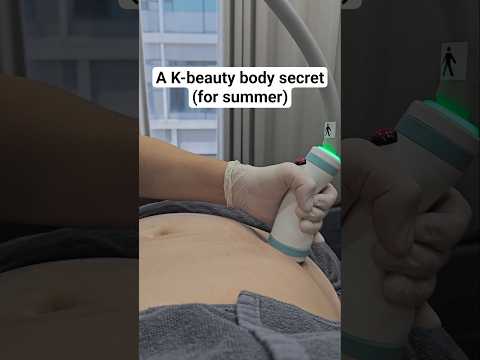
Differences Between Korean Microwave Devices and Standard Radiofrequency or HIFU Treatments
Unlike standard radiofrequency or HIFU, Korean microwave devices target water molecules within the dermis to generate heat volumetrically, rather than relying on resistive impedance or focused ultrasound coagulation. This allows for more uniform thermal delivery, which is why Korean microwave skin tightening protocols often report less pain and minimal downtime compared to RF’s surface-heating risk or HIFU’s sharp, deep pinpoint sensations. Practically, microwave energy penetrates at a set 2–3 mm depth, bypassing fat layers that RF may inadvertently heat, while HIFU’s focal points require precise bone proximity mapping—a step Korean microwave arrays eliminate. Additionally, treatment intervals differ: Korean devices typically need two sessions versus three or more for HIFU, and their cooling-integrated tips reduce epidermal burns that RF can cause on thin skin. This makes the microwave approach more forgiving for Asian skin types, which often have lower tolerance for HIFU’s high-intensity peaks.
What Makes the Korean Approach to This Procedure Stand Out in Clinical Practice

In Korean clinics, microwave skin tightening isn’t just zapping—it’s a choreographed session where doctors layer the device with ultrasound or RF to hit different skin depths, a combo rarely done elsewhere. They also tweak energy levels in real time based on your skin’s immediate response, not a fixed chart, which cuts burn risk. Recovery is managed with cooling masks and anti-inflammatory patches right after, so redness fades in hours, not days. Korean precision in energy titration means you get firmer results with fewer sessions, often two instead of four. Q: What makes the Korean approach stand out? A: It’s the tailored layering and instant feedback loop—your skin’s reaction directs the next pulse, making it safer and more effective per visit.
How to Prepare for Your Microwave Skin Tightening Session in Korea
Before your microwave skin tightening session in Korea, start by discontinuing retinoids and exfoliating acids five days prior to minimize skin sensitivity. Hydrate well for 48 hours, but avoid alcohol and caffeine on the day, as they can increase thermal discomfort. Arrive with a completely clean face—no makeup, sunscreen, or skincare products, since the device’s tip needs direct contact. Confirm your clinic’s policy on numbing cream; some Seoul-based providers apply it only upon request, so ask in advance. Also, inform your technician of any recent filler or Botox, as these can alter energy distribution. For optimal microwave skin tightening Korea results, schedule the procedure at least two weeks before any major event, given subtle initial swelling. *You may notice temporary redness, but this typically resolves within hours, not days.* Lastly, bring loose clothing and a gentle cleanser for post-procedure comfort, but skip hot saunas and intense workouts for 24 hours afterward.
A Step-by-Step Pre-Treatment Checklist: Skin Prep, Hydration, and Avoiding Retinoids
Begin your pre-treatment skin preparation seven days before your microwave skin tightening session in Korea by halting all retinoids, including retinol and tretinoin, to prevent hypersensitivity. Three days prior, switch to a gentle, fragrance-free cleanser and a basic moisturizer containing ceramides or hyaluronic acid. On the day before, perform a patch test with the clinic’s recommended soothing cream, and avoid exfoliating acids, vitamin C, and any harsh physical scrubs. ONDA lifting seoul On treatment day, arrive with completely clean, makeup-free skin—wash only with lukewarm water—and apply a light, non-comedogenic moisturizer. Hydration is critical: drink 1.5–2 liters of water over the 24 hours before your appointment, but skip heavy serums or oils, as they can interfere with energy delivery. Avoid caffeine and alcohol for 12 hours prior, as they dehydrate tissue and reduce skin elasticity.
How to Choose the Right Clinic and Practitioner for Microwave-Based Lifting
Choosing the right clinic and practitioner for microwave-based lifting in Korea begins with verifying their direct experience with microwave-specific devices, not general aesthetic procedures. Filter clinics by requesting before-and-after photos of microwave lifting only, since results differ sharply from ultrasound or RF. Confirm the practitioner is a dermatologist or plastic surgeon who personally performs the session—not a nurse or technician—because microwave depth calibration requires medical judgment. Ask how they determine your fat thickness and skin laxity, then whether they adjust energy levels per facial zone. A logical sequence: shortlist clinics via Korean review platforms, cross-check credentials on the Medical Association registry, book a consultation where you inspect the device model, and request a patch test on your jawline to assess tolerance before committing.
Key Questions to Ask Before Committing to the Procedure

Before booking your session, ask the clinic for verifiable before-and-after photos from Korean patients with your skin type, not just generic marketing images. Confirm the exact device model and whether the practitioner is a dermatologist, since microwave technology requires precise depth calibration. Inquire about the expected number of sessions for your laxity level, and request a clear breakdown of costs—including any mandatory follow-ups—to avoid surprise fees. Ask how the clinic handles discomfort, specifically whether numbing cream or cooling is standard. Finally, demand a realistic timeline for collagen remodeling, and clarify what results you can expect if you only undergo one treatment, so you can decide if it truly fits your goals.
Always confirm device specifics, provider credentials, realistic session counts, total pricing, and expected recovery before committing to microwave skin tightening in Korea.
What Happens During the Procedure and What Should You Feel?
During microwave skin tightening in Korea, the practitioner first applies a numbing cream and marks the treatment zones. You will feel a cooling sensation as the handpiece glides over the skin, followed by brief, deep heat bursts when the microwave energy penetrates the dermis. The sensation is often described as a hot pinprick, but the device’s built-in cooling keeps the surface comfortable. The entire session lasts 30–60 minutes, depending on the area. Immediately after, you may feel a warm, sunburn-like tightness and see mild redness or swelling. This is normal and subsides within hours. The key is that during the procedure, you should feel controlled heat, not sharp pain, and your expected sensation is a progressive firming warmth—not discomfort—as the collagen contracts and remodels.
The Typical Session Timeline: From Numbing Cream Application to Device Calibration
Your session kicks off with a 20–30 minute numbing cream soak—clinics in Korea typically apply it generously, then wrap your face in plastic to boost absorption. After cleaning off the cream, the technician maps your treatment zones with a marker, noting thicker skin areas like the jawline. Device calibration follows: they adjust the microwave frequency and cooling settings based on your skin’s thickness and pain tolerance, testing a single pulse on your cheek first. The calibration feels like a quick, hot snap—if it stings too sharply, they tweak the energy level before starting. The entire prep-to-calibration phase runs about 40 minutes, ensuring the actual microwave pulses are both precise and comfortable.
Timeline: 20–30 min numbing → mapping → device calibration with test pulse, totaling ~40 minutes before active treatment begins.
Managing Pain and Comfort: Cooling Mechanisms, Energy Levels, and Adjustable Settings
During microwave skin tightening in Korea, your comfort is actively managed through integrated cooling mechanisms that protect the epidermis while energy penetrates deeper layers. The handpiece delivers continuous contact cooling, which numbs the surface sensation in real time, so you feel intense cold rather than sharp heat. Energy levels are calibrated progressively—starting low to let your skin acclimate, then increasing based on your tolerance and the treatment area’s thickness. This means thinner zones, like the lower eyelids, automatically receive gentler pulses, while thicker tissue like the jawline handles higher output. You can signal discomfort, and the practitioner will instantly lower the energy or extend the cooling interval, ensuring the session stays tolerable. These adjustable settings for microwave skin tightening comfort let you communicate feedback without interrupting the workflow, keeping pain minimal and results consistent.
Cooling shields the skin, energy adapts to tolerance, and adjustable settings let you control comfort in real time.
How Many Sessions Are Needed for Visible Results and How Long Each One Lasts
Most patients undergoing microwave skin tightening in Korea require **two to three sessions** for visible results, spaced four to six weeks apart to allow collagen remodeling. Each session lasts approximately 30 to 45 minutes, depending on the treated area’s size. You may notice initial tightening immediately, but optimal outcomes—such as firmer dermal density—develop progressively over eight to twelve weeks post-final treatment. The effects typically persist for twelve to eighteen months, after which a single maintenance session (lasting the same 30–45 minutes) is recommended annually. Session duration remains consistent regardless of treatment count, as each pass delivers controlled microwave energy to the reticular dermis.
| Aspect | Details |
|---|---|
| Sessions for visible results | 2–3 total, spaced 4–6 weeks apart |
| Duration per session | 30–45 minutes |
| Onset of visible change | Immediate mild tightening; full effect at 8–12 weeks |
| Result longevity | 12–18 months before maintenance needed |
Maximizing Your Results After Microwave Skin Tightening
To truly maximize your results after microwave skin tightening in Korea, hydration is your first move—Korean clinics stress drinking plenty of water to help your skin’s natural collagen rebuilding process. Skip intense workouts and saunas for at least 48 hours, since excess heat can interfere with the treatment’s deep tissue recovery. Microwave skin tightening Korea works best when you pair it with gentle, fragrance-free skincare, especially products containing panthenol or ceramide to calm the treated zone. Daily SPF 50+ is non-negotiable for three weeks, as Korean UV exposure can undo your firming gains fast. Also, schedule your follow-up session at the exact interval your dermatologist recommends—usually four to six weeks—so the thermal effects stack properly. Don’t rush into chemical peels or lasers; let your skin’s remodeling phase finish first. And yes, eat protein-rich meals like grilled chicken or tofu to fuel that tightening from within.
The First 24 to 72 Hours: Redness, Swelling, and the Do’s and Don’ts of Aftercare
In the first 24 to 72 hours after microwave skin tightening in Korea, expect noticeable redness and mild swelling, peaking around day two. This is a normal inflammatory response, not a complication. During this window, strict adherence to aftercare do’s and don’ts directly influences recovery speed. Do apply cold compresses intermittently to reduce swelling, and keep the treated area clean with only lukewarm water. Do use the provided barrier cream to soothe the skin. Don’t expose the area to direct sunlight, saunas, or steam rooms. Don’t engage in strenuous exercise that raises your heart rate, as this increases swelling. Don’t pick or scrub at the reddened skin, even if it feels tight. Avoid alcohol and spicy foods, which can prolong redness. Following these rules minimizes discomfort and supports even, predictable results.
Essential Skincare Products and Supplements That Enhance Collagen Production Post-Treatment
To lock in your microwave skin tightening results in Korea, prioritize skincare and supplements that directly fuel fibroblast activity. Immediately post-treatment, apply a barrier-repairing cream with ceramides and peptides, which signal the skin to rebuild structural proteins. Daily, use a stabilized vitamin C serum—ideally 10-15%—to hydroxylate collagen molecules and protect new fibers from oxidative stress. Internally, pair a high-potency hydrolyzed collagen peptide powder with 1,000 mg of vitamin C for enhanced absorption. Add a copper peptide serum at night, as copper is a critical cofactor for collagen cross-linking. These targeted choices accelerate the collagen production post-treatment timeline, ensuring firmer, denser skin within weeks.
Combining Microwave Tightening with Other Procedures for Synergistic Lifting Effects
To really maximise your lift in Seoul’s clinics, think of microwave tightening as the foundation, not the finale. Pairing it with synergistic lifting effects means scheduling your thread lift or focused ultrasound *before* your microwave session—this lets the heat lock in the deeper scaffolding while the microwaves firm up the superficial layer. For jowls and jawline, adding a touch of botox to the depressor muscles reduces downward pull, making the tightening result look effortless. Don’t stack everything in one day; space them two to three weeks apart so your skin’s collagen response isn’t overwhelmed, and you’ll walk out with a genuinely lifted, rested look.
Answering the Most Common Questions About This Treatment in Korea
Most first-timers ask whether microwave skin tightening in Korea hurts; clinics typically apply a numbing cream, and most describe the sensation as a deep, warm prickling rather than sharp pain. Another frequent question concerns downtime—you can usually return to normal activities immediately, though mild redness and slight swelling may last a few hours. People also wonder how many sessions are needed; for visible firming, most Korean dermatology clinics recommend two to three treatments spaced four weeks apart, with collagen remodeling continuing for up to three months. **Result longevity varies by age and skin laxity, but most maintain improvement for 12–18 months with proper skincare.** A common follow-up asks if results look natural—yes, because the microwave energy targets deep dermal layers while sparing the surface, so skin tightens gradually without a “pulled” appearance. Finally, patients often ask if it suits all skin tones; unlike lasers, microwave technology is melanin-safe, making it a popular choice across diverse skin types in Korea.
How Long Do the Lifting and Tightening Effects Actually Last?
The immediate lifting sensation after microwave skin tightening in Korea is largely due to tissue contraction, but this is temporary. The substantive microwave skin tightening Korea longevity depends on collagen remodeling, which begins around week three and peaks at three to six months. Clinically, most patients retain a visible lift for 12 to 18 months, though this varies with age and skin laxity. *The deeper the dermal heating, the longer the neocollagenesis sustains structural support, but it never stops the natural aging descent.* A second session at 12 months can extend the effect to roughly two years, whereas a single treatment rarely exceeds the 18-month mark in practice.
Are There Any Permanent Side Effects or Risks Specific to Microwave Energy?
Regarding permanent side effects from microwave energy for skin tightening in Korea, clinically confirmed permanent risks are rare when devices are used at approved parameters. The primary concern is thermal injury to subcutaneous fat or dermal nerves, which can theoretically cause focal atrophy or transient numbness; however, these are typically temporary, resolving within weeks to months. Permanent scarring or hyperpigmentation is uncommon but possible if treated skin is Fitzpatrick type IV–VI or if overlapping passes exceed safe temperatures. No long-term systemic toxicity has been demonstrated, as microwave energy exerts localized coagulation without cumulative radiation effects. Published Korean dermatologic follow-up studies report no irreversible structural damage beyond six months post-treatment. The only permanent consideration is reduced fat volume in treated areas, which is intended but can be aesthetically permanent if over-treated.
Who Is the Ideal Candidate—And Who Should Avoid This Treatment Entirely?
The ideal candidate for microwave skin tightening in Korea has mild-to-moderate skin laxity, typically aged 30–55, with good skin elasticity and realistic expectations—they want gradual collagen remodeling rather than a surgical lift. Those with darker skin tones (Fitzpatrick IV–VI) are generally suitable, as the technology targets the dermis without significant melanin absorption. However, you should avoid this treatment entirely if you are pregnant, have an active skin infection, severe acne, or a history of keloid scarring. Additionally, anyone with implanted metal devices near the treatment area, pacemakers, or autoimmune disorders should not undergo microwave skin tightening. It is also unsuitable for individuals with advanced sagging or excess fat, who would need surgery or liposuction instead.
Ideal candidates have mild laxity and healthy skin; those pregnant, with metal implants, autoimmune conditions, or severe sagging must avoid this treatment.